Apria’s new logo officially registered as a protected trademark in the European Union
14 de October de 2025
Participation in the CCU Connect Conference
22 de October de 2025Apria’s new logo officially registered as a protected trademark in the European Union
14 de October de 2025Participation in the CCU Connect Conference
22 de October de 2025The LIFE GENESYS project holds an event to address the presence of antimicrobial resistance in hospital wastewater
-
During the conference held at Parc Taulí University Hospital, experts in microbiology, hospital management, and innovation discussed the challenges and solutions for curbing the spread of antimicrobial resistance in healthcare settings.
-
The hospital will house a pioneering on-site treatment system that will remove antibiotics, bacteria, and resistant genes from the center's effluents.
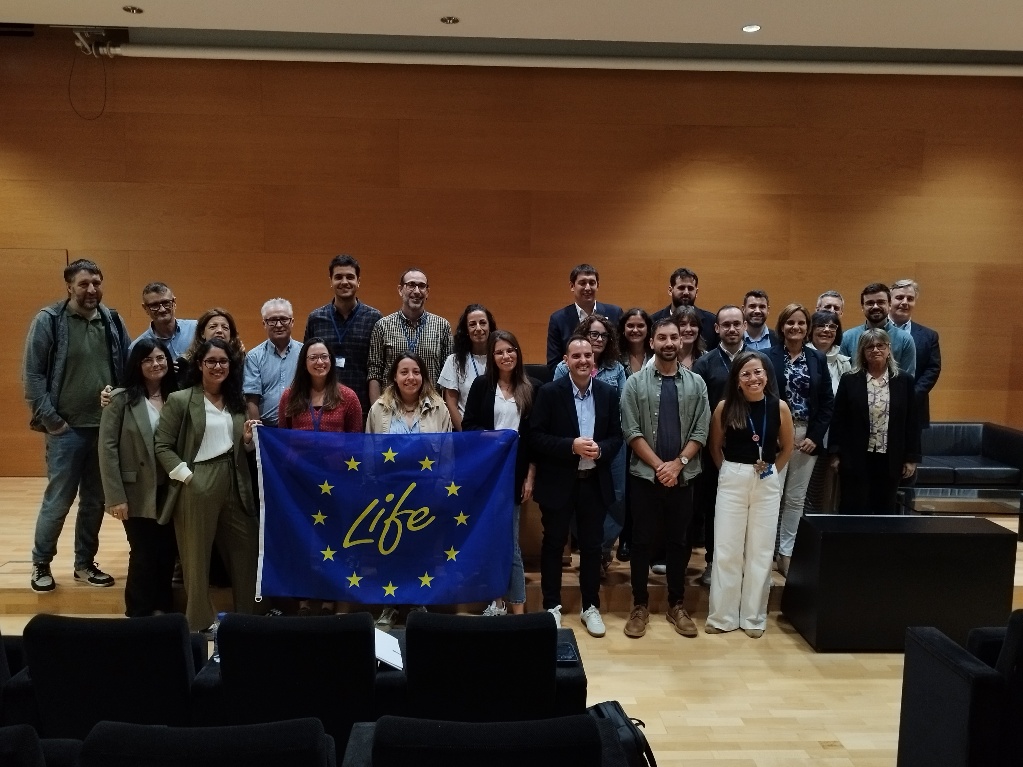
Last October 17, the european project LIFE GENESYS brought together experts in microbiology, hospital management, and innovation at the Parc Taulí University Hospital in Sabadell to address the high presence of antibiotics in hospital wastewater, which promotes the proliferation of bacteria and genes resistant to these drugs that are difficult to eliminate.
Participants discussed the challenges involved in curbing the spread of antimicrobial resistance in healthcare settings and were introduced to GENESYS technology, which will eliminate antibiotics, resistant bacteria, and associated resistance genes in hospital wastewater at source, thereby preventing them from reaching urban wastewater treatment plants.
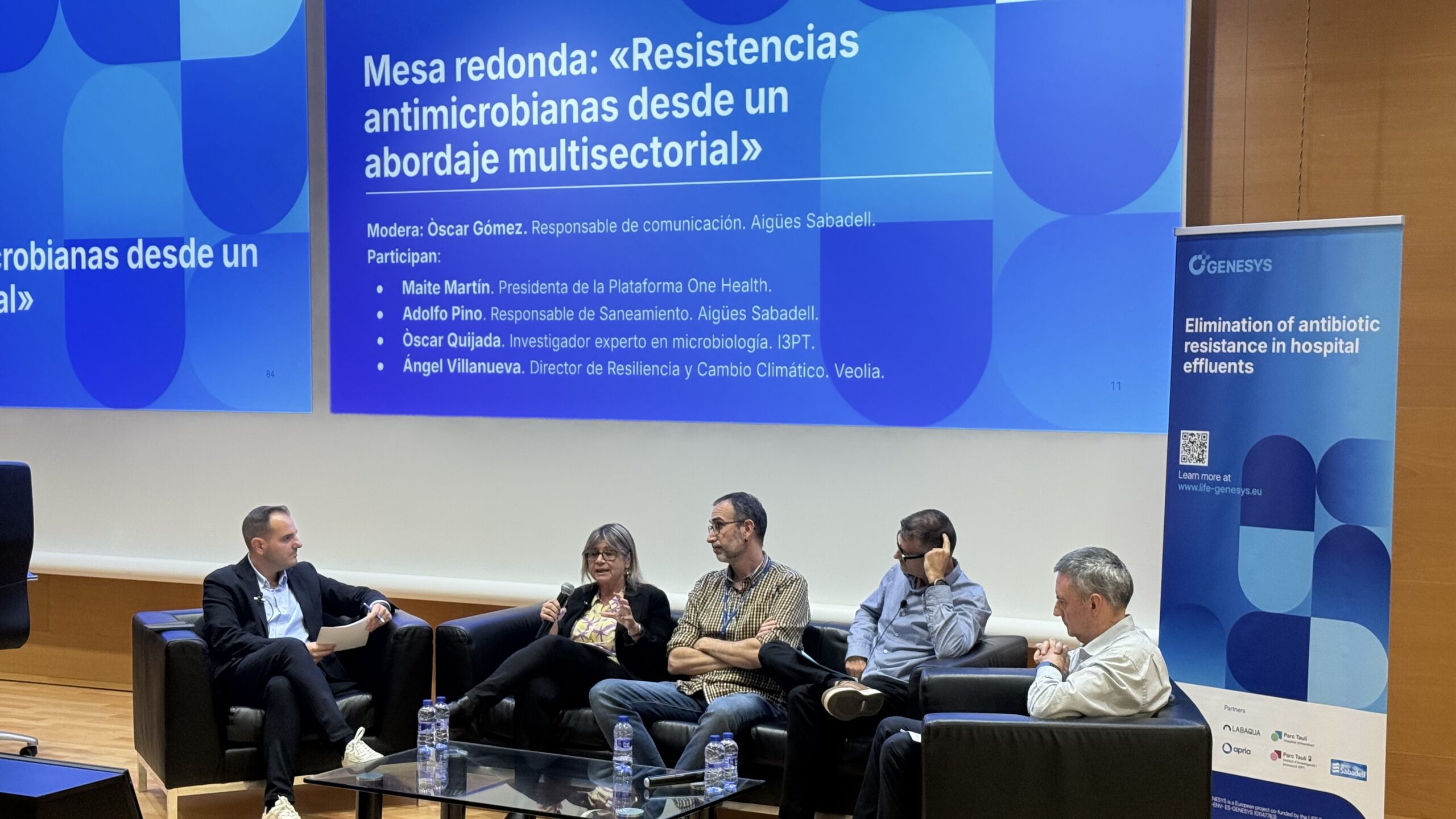
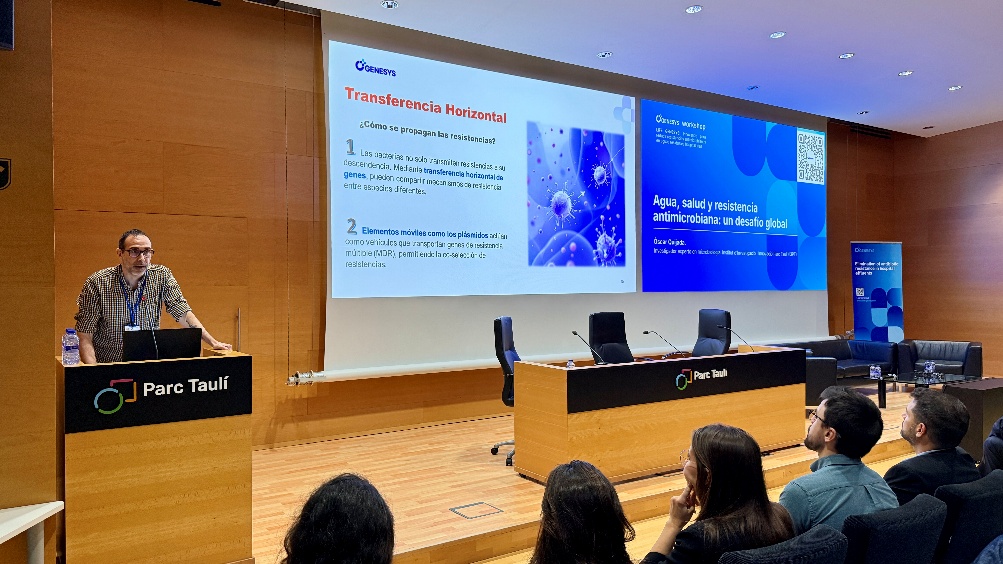
Antimicrobial resistance, a holistic challenge
Hospitals, places where antibiotics are used extensively, are a hotbed for the emergence of antimicrobial resistance. Such resistance poses a risk both to health, as it compromises the effectiveness of treatments, and to the environment, as it disrupts the normal functioning of ecosystems.
However, current European regulations do not require hospitals and healthcare centers to have a system in place for the disposal of antibiotics and antimicrobial-resistant bacteria and genes. LIFE GENESYS aims to stay ahead of future legislation and propose systems that have the capacity to remove these compounds from the environment, in line with European guidelines and the One Health approach.
The One Health approach, promoted by the World Health Organization (WHO), advocates for the interconnectedness of human, animal, and environmental health, and consequently calls for a holistic and multisectoral approach to addressing environmental and health challenges.
In this regard, Maite Martín, president of the One Health Platform and participant in the round table discussion held during the event, highlighted: “Antimicrobial resistance is still treated in a compartmentalized manner. It is important that it is not only addressed from a health perspective, but also from an environmental perspective.”
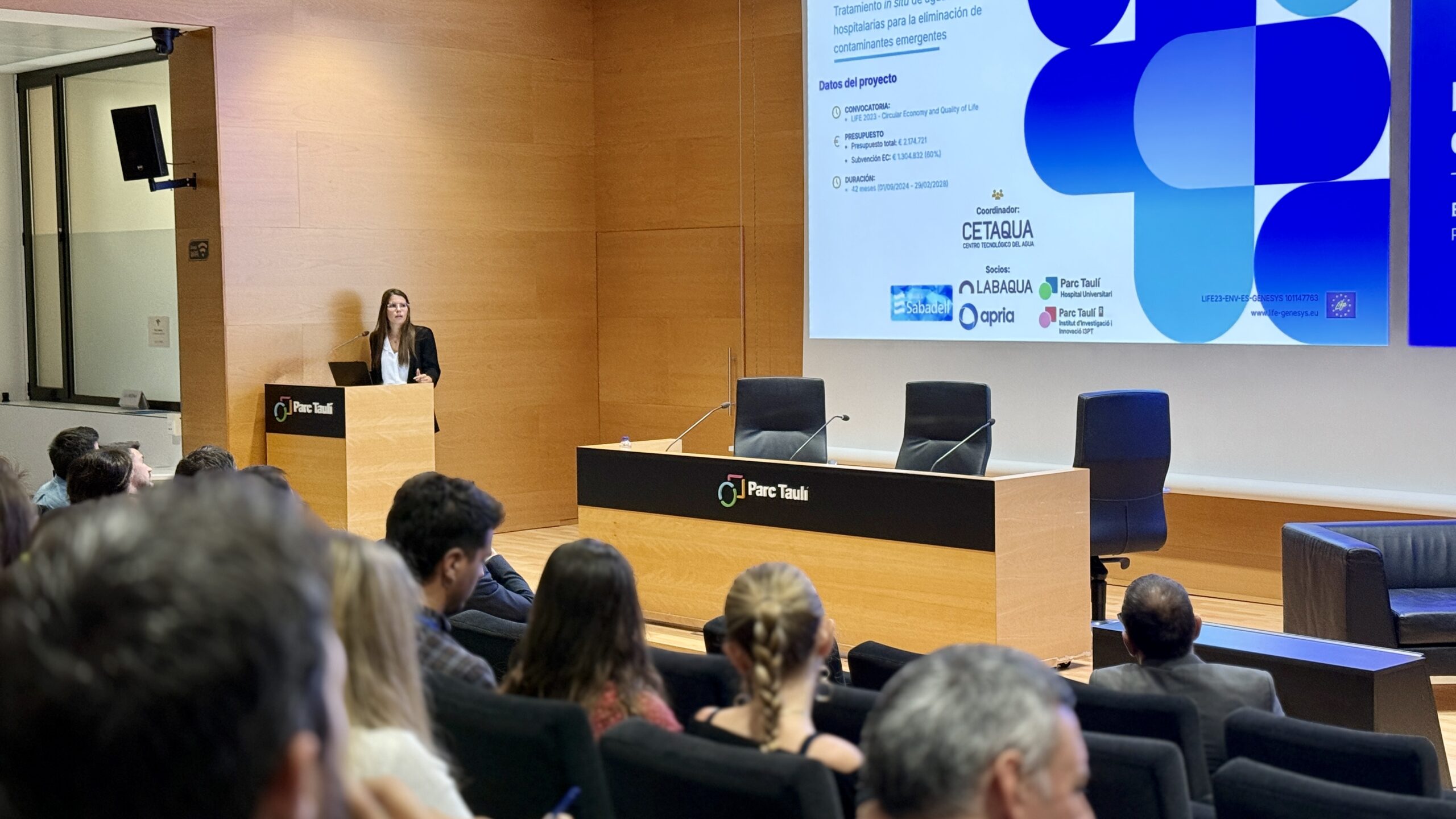
LIFE GENESYS, a project at the forefront of the fight against antimicrobial resistance
The GENESYS technology, which will be implemented at the Parc Taulí University Hospital itself, combines advanced wastewater treatment, capable of eliminating more than 99% of resistant bacteria and associated resistance genes, with a digital tool. This tool will enable the hospital to monitor the presence of antibiotics and other drugs, as well as multi-resistant genes and bacteria, in hospital effluent and optimize its treatment.
For Blanca Perdigones, Project Manager and researcher at Cetaqua-Centro Tecnológico del Agua and coordinator of LIFE GENESYS, “this project will be a major step forward in eliminating antimicrobial resistance, because it will demonstrate the effectiveness and efficiency of a technology that can be replicated in other hospitals.”
The project is co-funded by the European Union's LIFE programme headed by Cetaqua-Centro Tecnológico del Agua in collaboration with Aigües Sabadell, Apria Systems, Labaqua, the Hospital Universitari Parc Taulí, and the Institut d’Investigació i Innovació Parc Taulí (I3PT).