


OXIDATION & REDUCTION
MultiCell
THE TECHNOLOGY
One cell, multiple possibilities
Allowing you to switch between up to five technologies in a single device,
offering maximum versatility at every stage of use.

Photochemistry

Electrochemistry

Photoelectrochemistry

Photothermochemistry

Photofiltration
Depending on the technology selected, the MultiCell offers:
Innovative LED technology as a light source, promoting minimal energy consumption with optimized heat dissipation.
Area of 20 cm2 with a wide variety of electrode materials (BDD, carbon felt, IrO2, Ni, PtOx, RuO2, stainless steel, Ti, etc.)
Operation under high temperature and/or pressure conditions -up to 450 ºC and 15 bar-.
CHARACTERISTICS
Build your cell
your way
Choose from the following options to customize your cell based on your needs:
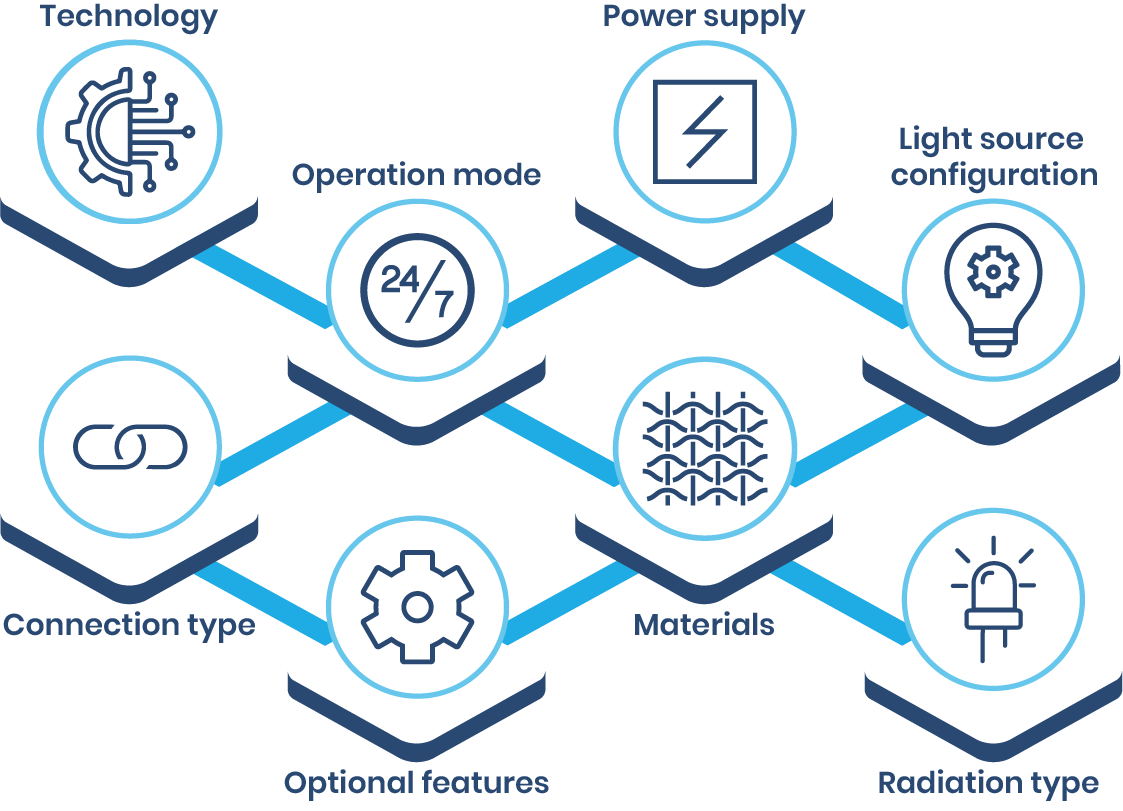
Technology
- Photochemistry
- Electrochemistry
- Photoelectrochemistry
- Photothermochemistry
- Photofiltration
Power supply
Operation mode
- Recirculation
- Continuous (24/7)
Light source configuration
- Exchangeable lamps
- Available collimated beam device
Connection type
- Barb fitting
- Quick plug
Electrode materials
- Carbon based: BDD, carbon felt
- Metal oxides: IrO2, PbOx, PtOx, RuO2, SnO2
- Metals: Al, Ni, Pt, stainless steel, Ti
Full equipment
- Feed tank
- Stirring system
- Hydraulic complements
- Measurement and control
- Electronic envelope
Radiation type
- UV-C
- UV-B
- UV-A
- Violet
- Blue
- Green
- Yellow
- Red
- Near infrared
- Far infrared
PRODUCTS
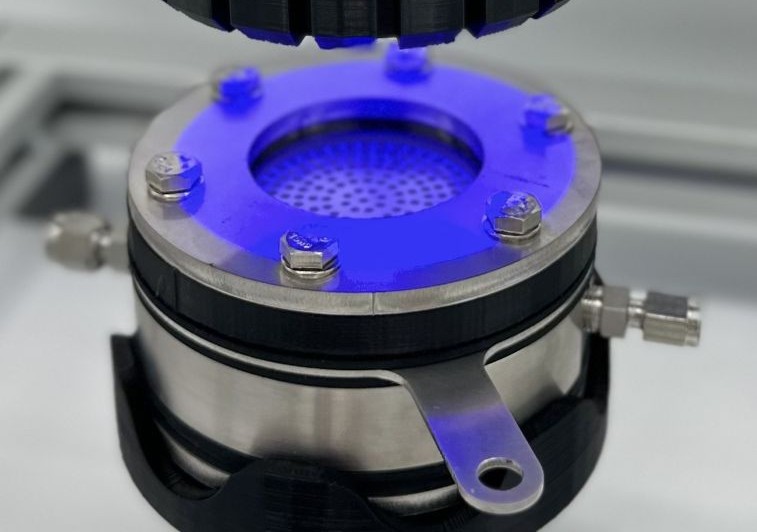
Cells
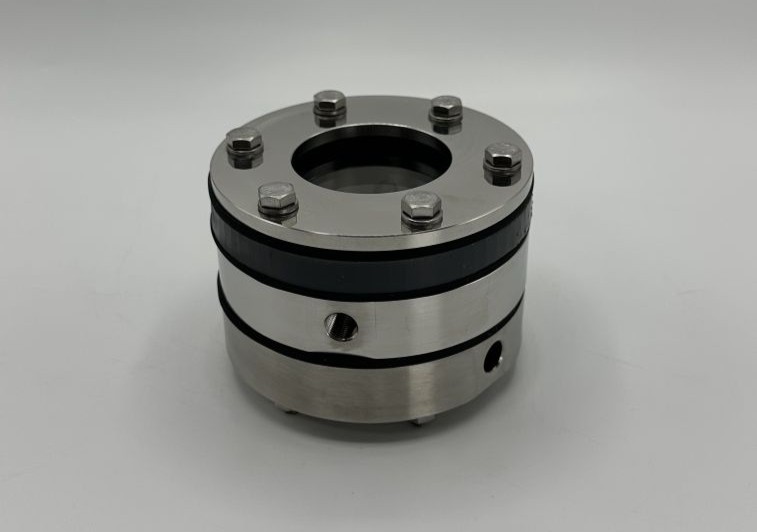
Cell complements
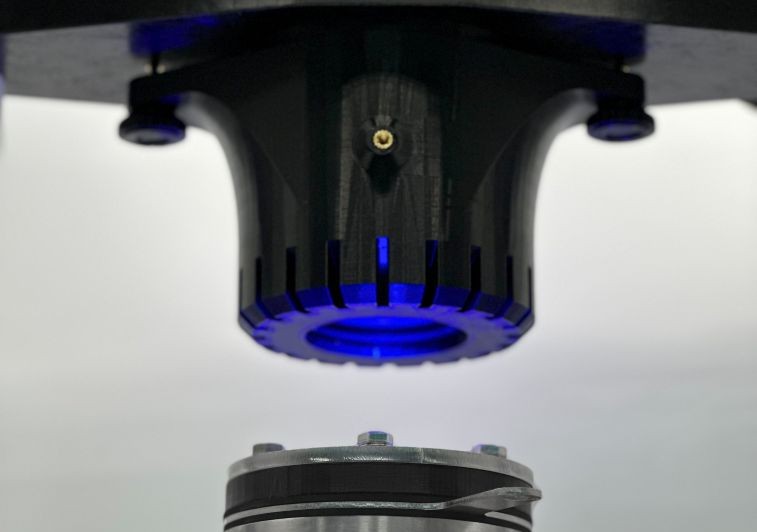
- On / off control
- Adjustable lamp distance
- Optional collimation complement
Lamps
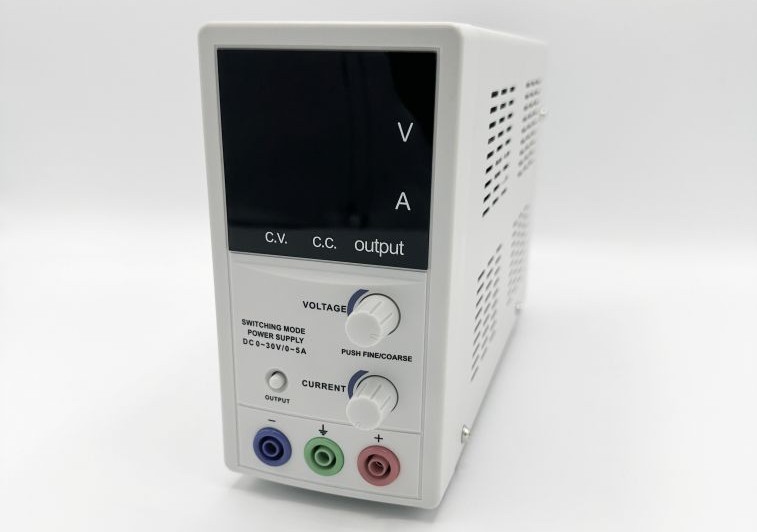
Power supply
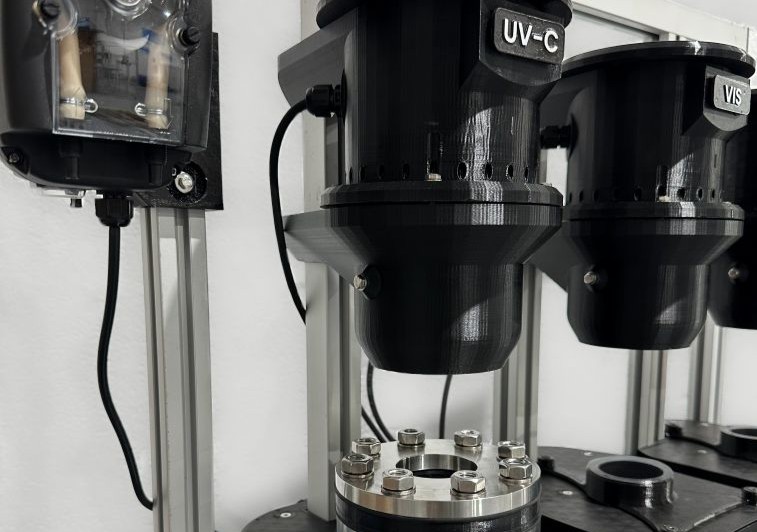
- Complementos
- Integración hidráulica
Full equipment
REFERENCES
Photothermochemistry
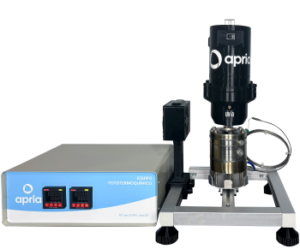
PETLab LED365_1scb/20
Country: Spain | Client: AIMPLAS
- Phototermochemostry equipment
- Configuration: plate and frame cell with illumination window.
- Illumination area of 20 cm2.
- Maximum operation temperature: 350 ºC.
- Maximum operation pressure: 15 bar.
- 1 LED lamp with UV-A radiation. Switching-on type: on / off. LED refrigeration via heat sink.
- 1 collimation system. The system includes: 1 collimating tube + 1 collimating lens.
- Regulation of the distance from the lamp to the reaction system.
- Posibility of 3 working configurations.
Photochemistry, Photofiltration
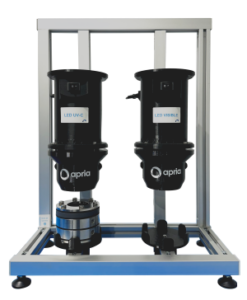
Photolab LED365_1-450_1scb/20
Country: Spain | Client: Universidad de Santiago de Compostela
- Reactor configuration: collimated beam and cell.
- 1 plate and frame photofiltration MultiCell.
- Illumination area of 20 cm2.
2 lamps with LED technology: 1 for UV-A, and 1 for vis. Each type of light has independent switching-on type: on / off. Heat sink LED refrigeraton via heat sink. 1, or 2 lamps can be used simultaneously.
2 collimation system. Each system includes: 1 collimating tube + 1 collimating lens.
- Regulation of the distance from the LED lamp to the reaction system.
Cell complements to work in photochemistry mode.
Photothermochemistry
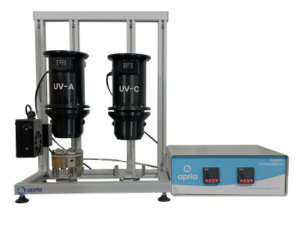
PETFlab LED275_0.1-365_1scb/T-T20
Country: Spain | Client: Universidad Complutense de Madrid
- Configuration: plate and frame cell with illumination window.
- Illumination area of 20 cm2.
- Maximum operation temperature: 350 ºC.
- Maximum operation pressure: 15 bar.
2 LED lamps with UV-C and UV-A radiation. LED refrigeration through heat dissipation. Each lamp has independent switching-on type: on/off. 1, or 2 lamps can be used simultaneously.
- 2 collimating devices. Each of them includes: 1 collimating tube + 1 collimating lens.
- Regulation of the distance from the LED lamp to the reaction system.
Cell complements to work in different modes.
- Operation modes: photochemistry, electrochemistry, photoelectrochemistry, photothermochemistry, and photofiltration modes.
Photothermochemistry
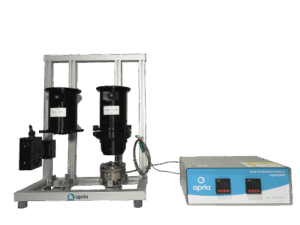
PTlab LED365_1-450_1scb/20
Country: Finland | Client: University of Eastern Finland
- Configuration: plate and frame cell with illumination window.
- Illumination area of 20 cm2.
- Maximum operation temperature: 350 ºC.
- Maximum operation pressure: 15 bar.
2 LED lamps with UV-A and visible radiatioin. Each lamp has on/off control. LED refrigeration through a heat sink. 1 or 2 lamps can be used simultaneously.
1 collimation system (compatible with both lamps). The system includes: 1 collimating tube + 1 collimating lens.
- Regulation of the distance from the lamp to the reaction system.
Photochemistry
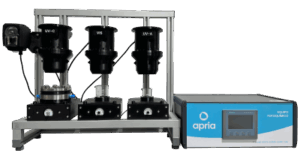
Photolab LED275_0.1-365_1-450_1scb/20
Country: Spain | Client: Universidad Pablo Olavide
- Reactor configuration: collimated beam and cell.
3 LED lamps with UV-C, UV-A, and vis radiation. Each type of light has independent switching-on and adjustable total irradiated power. 1, 2 or 3 lamps can be used simultaneously.
3 collimation systems (one for each lamp). Each system includes: 1 collimating tube + 1 collimating lens.
- Adjustment of the distance of the LED lamps to the reaction system.
- 1 plate and frame cell with an illumination windoy.
- Irradiated area: 20 cm2.
Sample holders for the colocation of beakers of two sizes and a photochemical cell.
- 3 independent stirring systems.
- Electric console with PLC for the control of the lamps.
Photoelectrochemistry
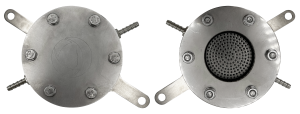
PElab T-T20
Country: Spain | Client: Universidad Politécnica de Madrid
- Configuration: plate and frame cell with illumination window.
- Illumination area of 20 cm2.
- 2 Ti electrodes (1 perforated, 1 solid).
- Active anodic area of 20 cm2.